
Yokai x Local Events Part 1 - My Event Etiquette Begins with "Falling in Love"
Introduction: Falling in love is the first step in reaching a consensus
My starting point when I approach local events is to "fall in love." I don't go just two or three times, but many times until the scents of the seasons change, so that I can absorb the slope of the road, the way the wind blows, and even the sounds of people sweeping in the morning. Only after going that far does the talk of tradition and business take on the "breath of the land" and the words become familiar. If you are only motivated by business opportunities or newsworthy topics, you will feel as if your shoes are not touching the ground. I start by falling in love with the land.
Nakanosawa Onsen: The warmth of the water will make you stand up straight
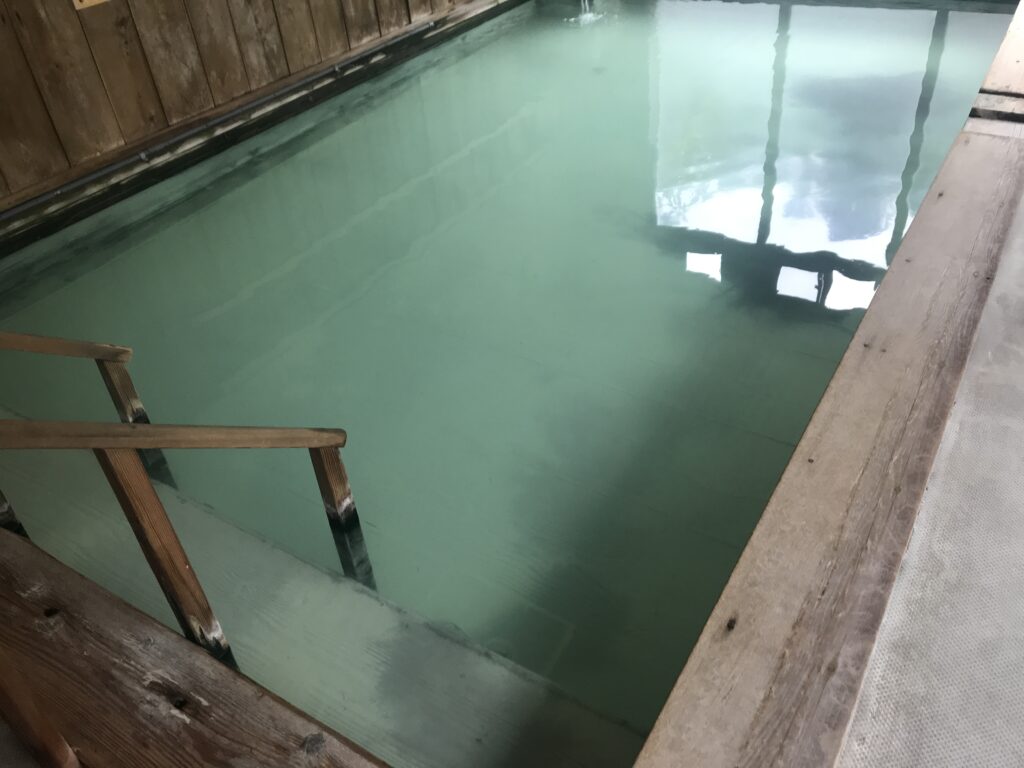
My hometown is Aizuwakamatsu. When I was a child, my mother loved to take me to Nakanosawa Onsen. When I sank up to my shoulders in the milky white water, my core warmed up immediately. That feeling hasn't changed, and it remains my number one place as a place where "when you bathe, you feel like you're receiving power that surges up from the earth."
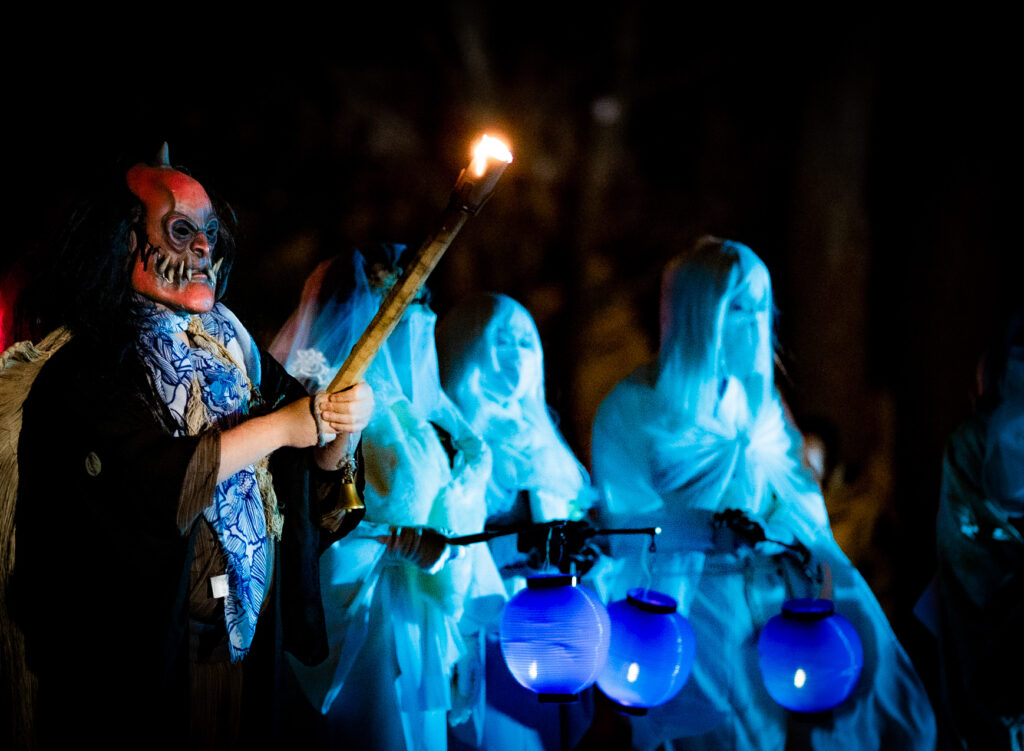
This "formative experience" led to the later "Snow Woman Festival." It wasn't that I was aiming to create an event from the beginning. One day, the seed of the idea suddenly came to me at a hot spring resort I frequented. The spark is usually someone's words. Nishimura Kazuki of Konishi Shokudo asked me, "Can we call a snow woman?" That was the spark that lit the fire, spreading to the youth group and turning it into a passion in the town. All I could do was work together to create a conduit to keep that passion going.
Kawagoe: A trio of town, cafe, and tradition
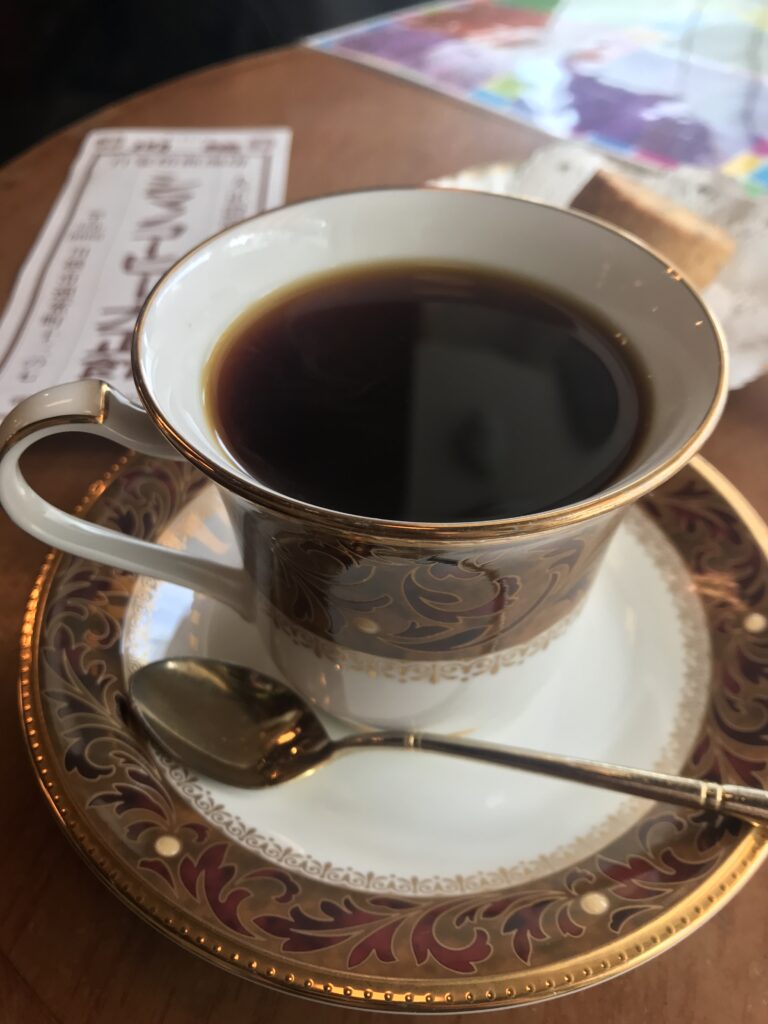
Kawagoe is a city that I was brought to by chance as an adult. My introduction to it came through a guest appearance on the YouTube program "Radio Poteto" by the NPO Kawagoe Mass Media, via the local community. From there, I heard about the abundance of yokai folklore. When I actually walked around the area, I found that the back of the Little Edo townscape was dotted with stylish cafes that still retain the warmth of handcrafted work. Between the sound of footsteps on the cobblestones and the aroma of roasting coffee, there were moments when the echoes of old stories suddenly welled up.
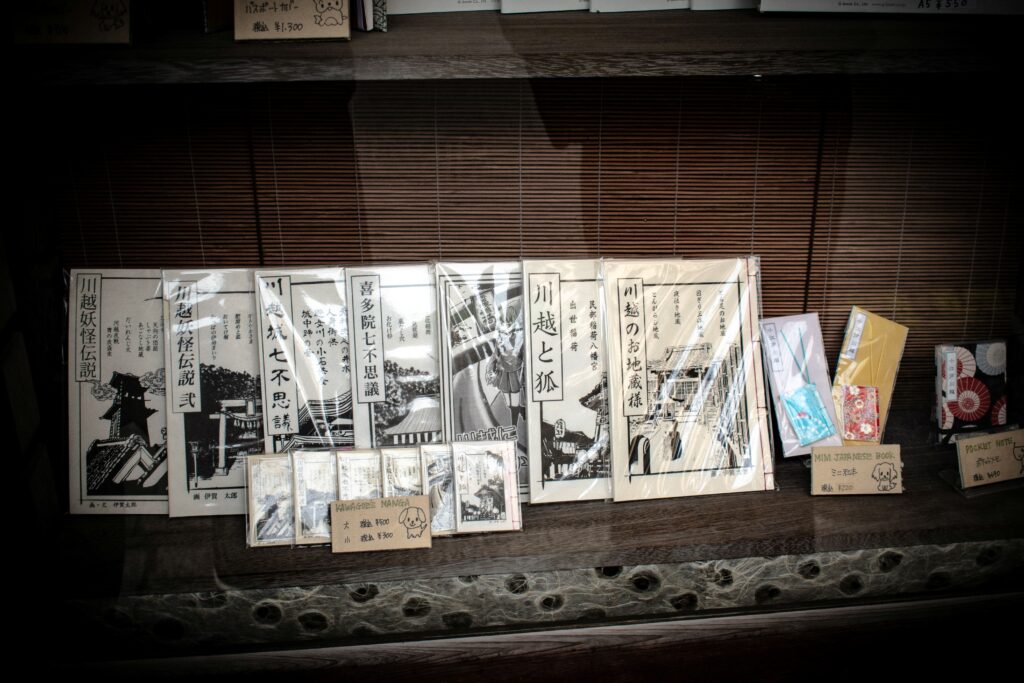
Even more encouraging were the Yokai folklore tours and maps that the Silver Human Resources Center had previously run. The path shown by the footsteps of my predecessors certainly accelerated my search. A handmade manga based on Kawagoe folklore that I found in a second-hand bookstore was also a good guidepost. It reminded me that local memories are born from paper and human hands. And so the idea of "Let's do this together here" began to take shape.
How to quit: Avoiding inertia
Nakanosawa's "Snow Woman Festival" continued for six years. However, when the annual out-of-pocket expenses began to strain the company's operations and we reached a point where we were no longer able to make any visible contributions to the local community, I had a clear feeling: "If we continue like this, it will become a matter of inertia." The moment that "continuing" becomes the sole purpose of a festival, it loses its vitality.
So I stepped back for the time being and decided to hold the festival in a new location - Inawashiro, Matsunoyama Onsen. We have a responsibility to build on our track record of "ensuring excitement and generating economic benefits." At the same time, the local community also needs to take the initiative and "get excited together." If either side is passive, the festival will not take off. Stepping back when necessary is a sign of respect for the land and its people. It is also a positive step back so that we can one day proudly bring home the results.
My research techniques: books, shoe soles, and an eye for boundaries
When researching, I start with books. Books about monsters from Saitama, collections of folktales from Fukushima—paper information provides the framework for discovery. In recent years, I've also been using the web and AI to uncover side stories that I'd otherwise overlooked. However, I'm mindful of the layers of primary and secondary information, and when multiple theories emerge, I consider them based on my own knowledge base, without making any definitive statements. Traditions can become suffocating if they are reduced to a single conclusion.
I visit the location five to six times per event. If it's far away, I dedicate a whole day to walking. I look at "boundaries" - the places where rivers and land, towns and rice fields, old roads and new roads, shrines and houses change places, and so on. Boundaries are where stories (especially legends of the supernatural) tend to emerge. I read the origins of the land (was it once a battlefield, castle town, or post town?) from old divisions and place names, and then I check how the current flow of life overlaps with them.
In Nakanosawa, the decisive factor was the presence of a "Youth Group" of active participants. In Kawagoe, the aforementioned heritage tour materials and handmade manga served as the thread that connected the dots. The moment when information on paper becomes three-dimensional through the actions of people, the backbone of the project runs through it.
Building relationships: Adapting to the other person's schedule rather than following a set schedule
When I visit a new place for the first time, I introduce myself like this: "I'm a yokai shop owner who works at local events. We'll be holding a yokai-related event here in the future." From there, I don't rely on standard questions. I ask about the person's job, their position, and the problems they face in the community. Have there been any yokai-related events here in the past? I adjust the pace of my conversation to theirs. In the case of Nakanosawa, which worked well, I was already fond of the area, and a key person, Kazutaka Nishimura of Konishi Shokudo, built the bridge, and the youth group team accepted me. People connect with each other, and the energy of the town becomes a circuit. Another sure way to bring people closer is through good drinks and food. As we share drinks and get drunk, various local issues and beloved aspects begin to flow out into the air. It's as if the place itself is dancing. I feel that sharing this is the fastest and most important way to be accepted as a "friend." And that's what I find most enjoyable about hosting events.
Food Connoisseur: Choose by Temperature and Quality
There are three criteria for selecting restaurants.
- Being unchained(However, there are exceptions if there is a key person in mind.)
- Cleanliness(This is where the sense of security comes in when linking events).
- To greet visitors dressed as monsters with a smile(Can we share the spirit of culture and playfulness?)
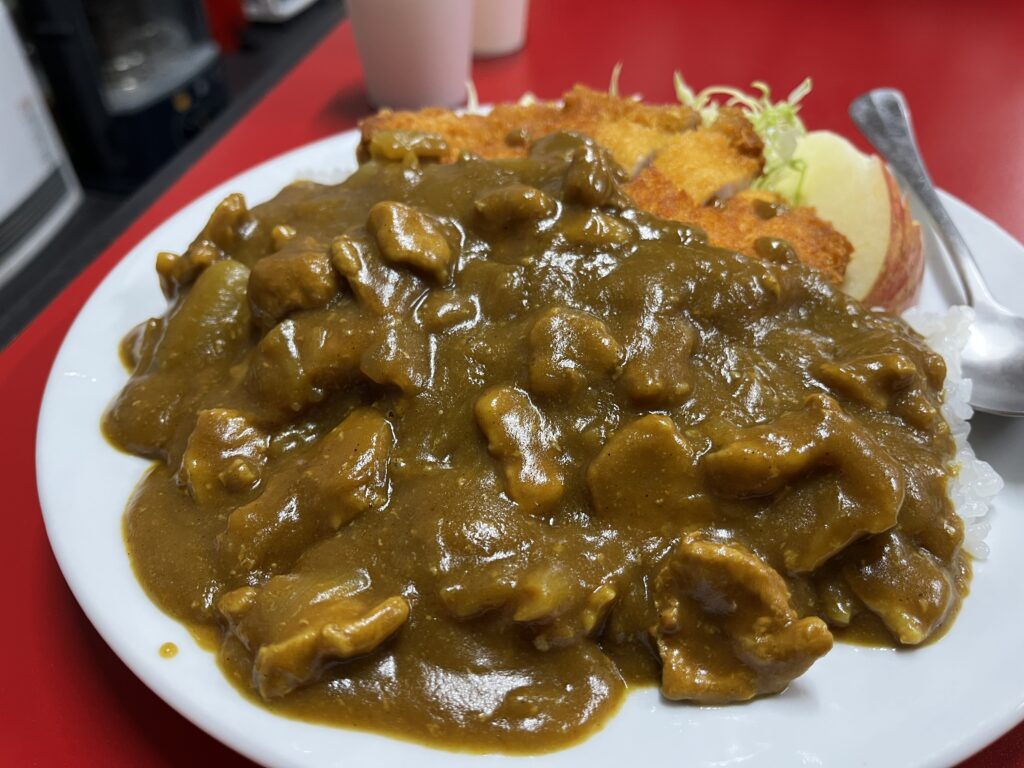
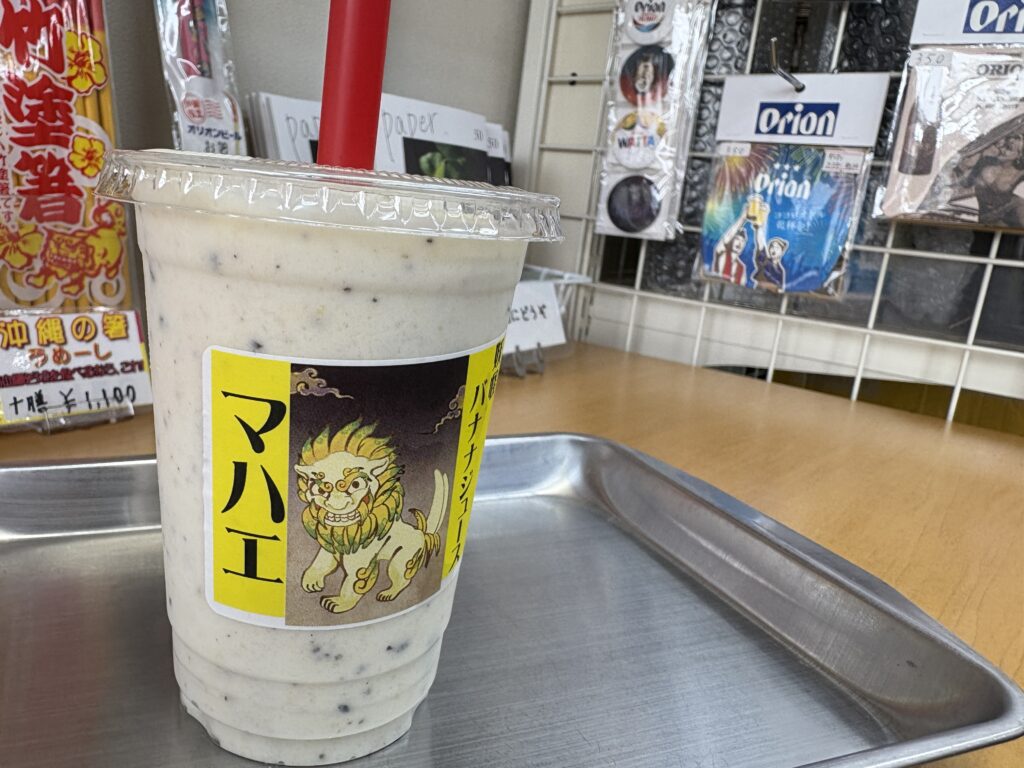
In Nakanosawa, try the pork cutlet curry and meat soba from Konishi Shokudo. In Kawagoe, try the Aburi Coffee's Aburi Blend and the Ryukyu Mochikko Banana Juice from Mahae. When approaching a potential collaboration, be frank and ask, "Would it be okay for the yokai to visit? If so, could we join you at an event?" Food is a local thermometer. The temperature of the food you eat tells you how warm the town is.
Conclusion of Part 1: Start with love, continue with respect
I don't do things "just because." I consider how traditions are handled in the area, and what the community values. How can I fit into that? I start by liking something, then continue with it with respect, and when the time comes, I step back gracefully. That's my approach.
In the second part, we will delve into specific examples of how to interpret what is important to the local community in Nakanosawa and Kawagoe and how to translate that into visuals, announcements, pricing, and management structures.
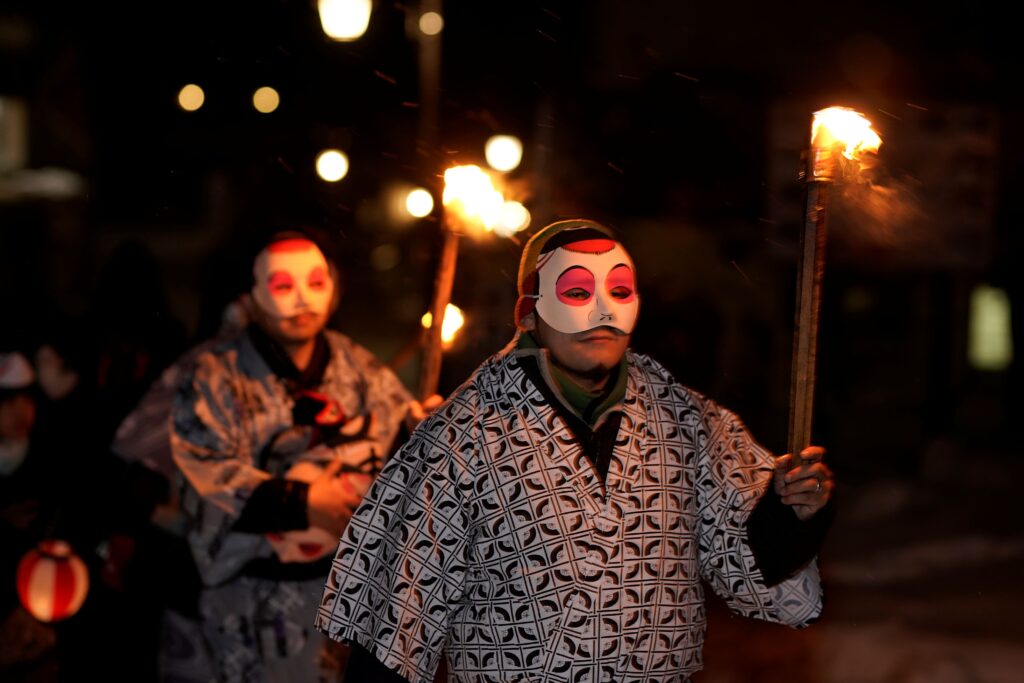
- Yuki-onna x Matsunoyama Onsen - A little winter pilgrimage to encounter the white spirit
- Yokai Supplement: Hitotsume Kozou (One-eyed Boy) | Social Studies: Futsuuttenandaro
Related articles

A kappa also goes on a journey!? The story of the "Three Kappas Visiting Ise Shrine" handed down in Kawagoe
The day when Japanese people disappear from hot spring resorts: Overtourism and the crisis of local culture
Walking through Kawagoe with the Yokai - from Koshin towers to Tengu legends, spiriting away, and exquisite longevity gourmet food!
Touring the Seven Wonders of Edo: Commonalities and Regional Characteristics of the Mysterious Events Seen in Honjo, Kawagoe, and Bakurocho
Yokai-ya goes to Kawagoe. ~The "bonds with the local community" revealed through visiting the area~




No comments yet.