
Yuki-onna x Matsunoyama Onsen - A little winter pilgrimage to encounter the white spirit
How does the "Snow Woman" appear in modern times in a hot spring town in a snowy region?
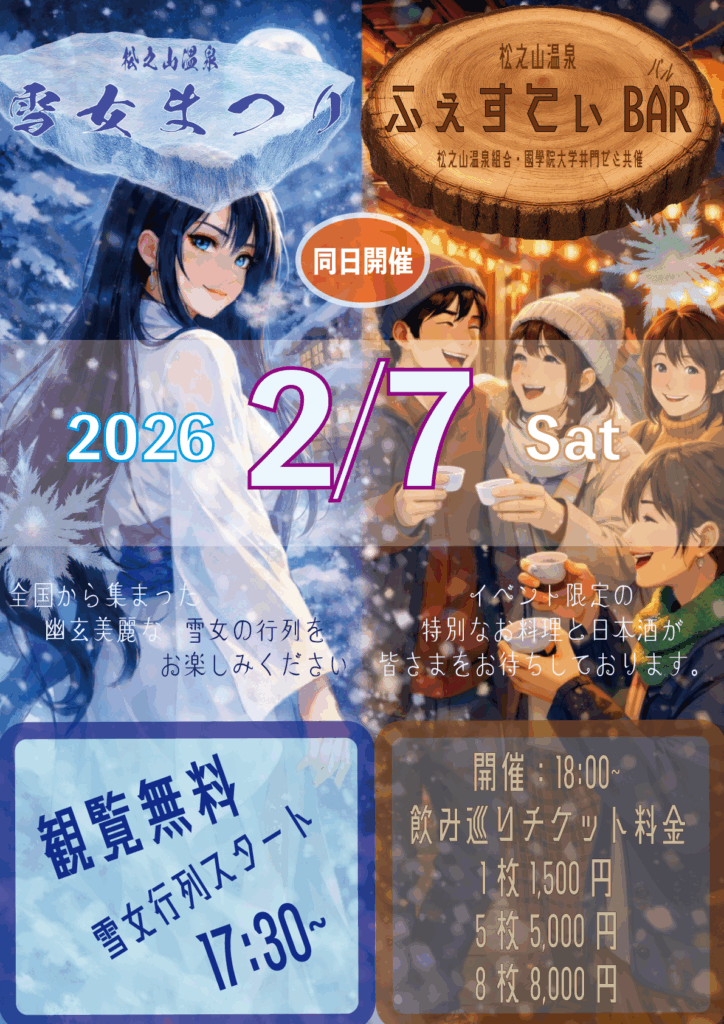
On February 7th, the "Snow Woman Festival" will be held at Matsunoyama Onsen in Tokamachi City, Niigata Prefecture. In this hot spring town nestled in a valley of heavy snowfall, the light of the snow and the steam from the hot springs will overlap for one night. We invite you to experience the one and only "Snow Woman."
So why don't you try becoming a "Snow Woman"?
The Yuki-onna Statue: Coldness and Promises
Yuki-onna is a winter spirit or monster that lives in snowy lands. The story of a beautiful woman dressed in white who appears on a snowstormy night and leaves a "promise" that "you must not tell anyone about what happens tonight" is well known. The "Yuki-onna" story from Lafcadio Hearn's "Kwaidan" is a prime example of this and continues to be read to this day.
Why Matsunoyama? - The thickness of snow and the memories of the community
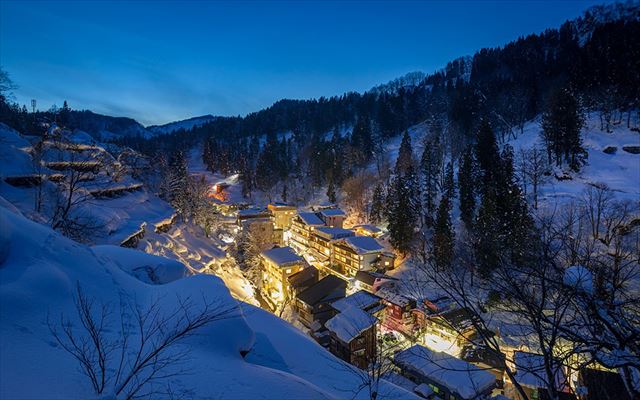
Matsunoyama is a small gorge in a snowy region where high-quality hot springs known as one of Japan's three great medicinal hot springs spring up. In winter, over 3 meters of snow envelops the world in silence, and the outlines of lanterns and steam rise clearly. The "etiquette of a snowy region" - reading signs and giving in to each other - resonates with the roots of the Snow Woman tale.
The charm of Matsunoyama Onsen - A small gorge in a snowy region where one of Japan's three great medicinal hot springs springs forth
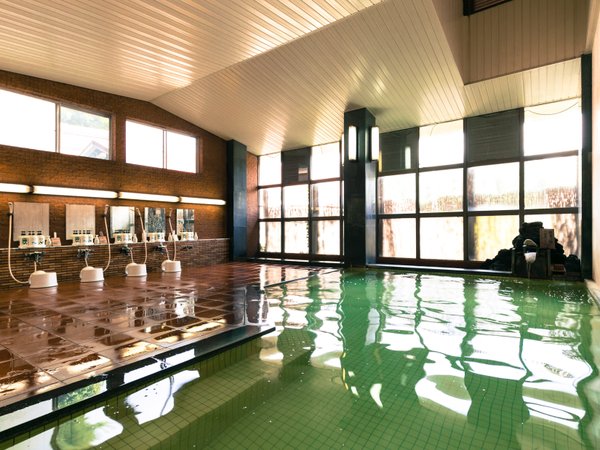
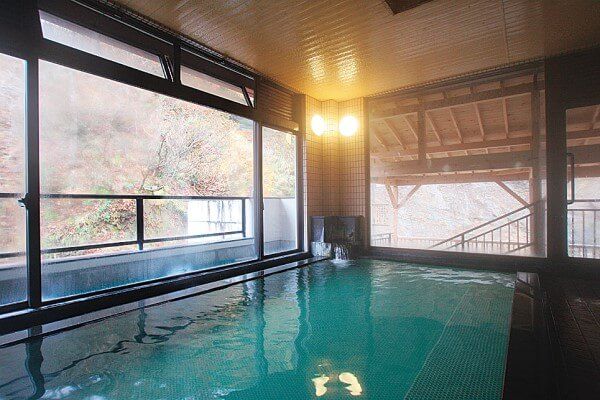
Salty and warm - fossil seawater bath. Matsunoyama Onsen is a chloride spring, and it is said that the hot spring water is fossil seawater from over 10 million years ago. One of its features is that it keeps you warm for a long time after bathing.
The source is about 90°C, a "geopressure type" spring. Many of the hot springs are around 90°C. The geological background is said to be a "geopressure type," where hot water from deep underground rises rapidly through faults.
Proud of being one of Japan's three great medicinal baths. It is often compared to Arima and Kusatsu, and continues to convey the hot spring therapy culture of the snow country to the present day.
Simultaneous event: Japanese sake drinking tour "Matsunoyama Onsen Festy Bar"
This year, the hot spring town's bar-hopping event "Matsunoyama Onsen Festy BAR" will be held on the same day.The event will be held on Saturday, February 7, 2026 from 6:00 PM to 10:00 PM.(Opening hours vary by store, and sales end when ingredients run out).Reception is at the Satoyama Visitor Centerin,Reception begins at 17:45 / Reception ends at 19:30.Tickets are 1,000 yen each, 2,500 yen for two, and 5,000 yen for five.This is the setting.
The eventVisit inns and restaurants and enjoy sake and a la carte dishes on a "bar hopping" tourStyle. Since 2015, it has been held in collaboration with students, and its appeal lies in the warmth of the local community. In addition, the fourth-generation owner of Tamakiya, a long-established inn that was founded over 110 years ago,Sake master and sommelier Yuichi Yamagishi carefully selects the sakeThe "best cup" will be prepared to go perfectly with the food (participating stores and menus are currently being announced).The Yuki-Onna Festival will also be held on the same day.It is stated that:
accessLocated in Matsunoyama Yumoto (hot spring town), Tokamachi City, Niigata Prefecture.A free shuttle bus (one outbound and two return) is scheduled to operate from Matsudai Station on the Hokuhoku Line (please check the timetable). Parking is available near the entrance to the hot spring town, but the number of spaces is limited, so guests are encouraged to use the parking lots at their respective inns. For inquiries, please contact the Satoyama Visitor Center (025-595-8588)..
Matsunoyama Onsen Festy Bar: Experience the hot springs from two perspectives
Human perspective:
- The happiness of temperature difference. The pleasure of repeatedly climbing up and down the "temperature ladder" from the cold snow air → the lights in front of the store → steaming appetizers → warm sake.
- The distance of the conversation. Each time you stop by, a short conversation will begin, and the story will continue on to the next bar. It's a warmth that can only be experienced through bar hopping.
- A wonderful pairing. This dish from the snow country, with its distinctive saltiness and umami, combined with a crisp bowl of ramen, will relax your body and mind.
Yuki-onna's perspective (narrative metaphor):
- White breath. The air becomes white with each breath, and the "seasonal atmosphere" is in full swing.
- A cup of clear sake. Just as snowflakes reflect light, the aroma of the sake sparkles for a moment and then disappears - the sensation of savoring the "beauty of white space."
- Promised distance. The quiet space between people is comfortable, and only footprints carry on the conversation.
*The above poetic points are suggestions for the experience's "perspective" and do not guarantee the content of the event itself. Please refer to the official announcement for practical information (date and time, reception, price, access, etc.).
Matsunoyama Onsen Festy Bar Official Website
https://matsunoyamafestibar.wixsite.com/matsunoyamaonsen
How to Walk Through the Festival: "Preparing for the Cold" is "Preparing for the Story"
Layer thin layers to trap air and keep your neck, wrists, and ankles warm. Wear a hat that covers your ears and waterproof, non-slip shoes. Wear two pairs of gloves, one inner and one outer, to make it easier to take photos and tickets in and out. The contrast of hot and cold, created by warming your core in a hot spring and exposing only your cheeks to the cold, will help you see clearly in snowy regions.
Three tips for touring the town from the perspective of a "yuki-onna"
- Pick up the contrast between black and white. The black of the bridge railings, the trees, the clothing... When viewed like monochrome musical scores, the photographs and text come together.
- Be aware of the distance of your breath. The distance where you can see someone's breath is the distance where you can sense their presence before you can hear their voice. This is where courtesy is born.
- Read the grammar of footprints. Walking quickly, stopping, turning back—the snow surface is like a notebook imprinted with the rhythm of life, providing more clues for the imagination.
Travel etiquette and safety tips
Be aware of the path of snowplows and falling snow from roofs, and be sure to follow all no-trespassing signs. Avoid climbing onto snow piles on the side of the road due to the risk of collapse. Take photos in a place that will not obstruct traffic. If you feel too cold, don't push yourself and take shelter indoors or in a hot spring.
Conclusion - To the White Interlude
Yuki-onna is not just a terrifying figure. It is also a metaphor for the way people huddle together in the midst of harsh winter, protecting the lights in their homes. In the quiet of Matsunoyama Onsen, the story of Yuki-onna emerges as a "poem of temperature difference." On the night of February 7th, we hope you will join us on a small pilgrimage, listening intently for the hint of white. We look forward to welcoming you as your guide.
Participate as a Yuki-onna or Yokai
Those who will be participating in the Matsunoyama Onsen Yuki-onna Festival as a Yuki-onnaHerefrom
Related articles

Yokai, cosplay, and the local landscape: Cultivating a place of harmony
The day when Japanese people disappear from hot spring resorts: Overtourism and the crisis of local culture
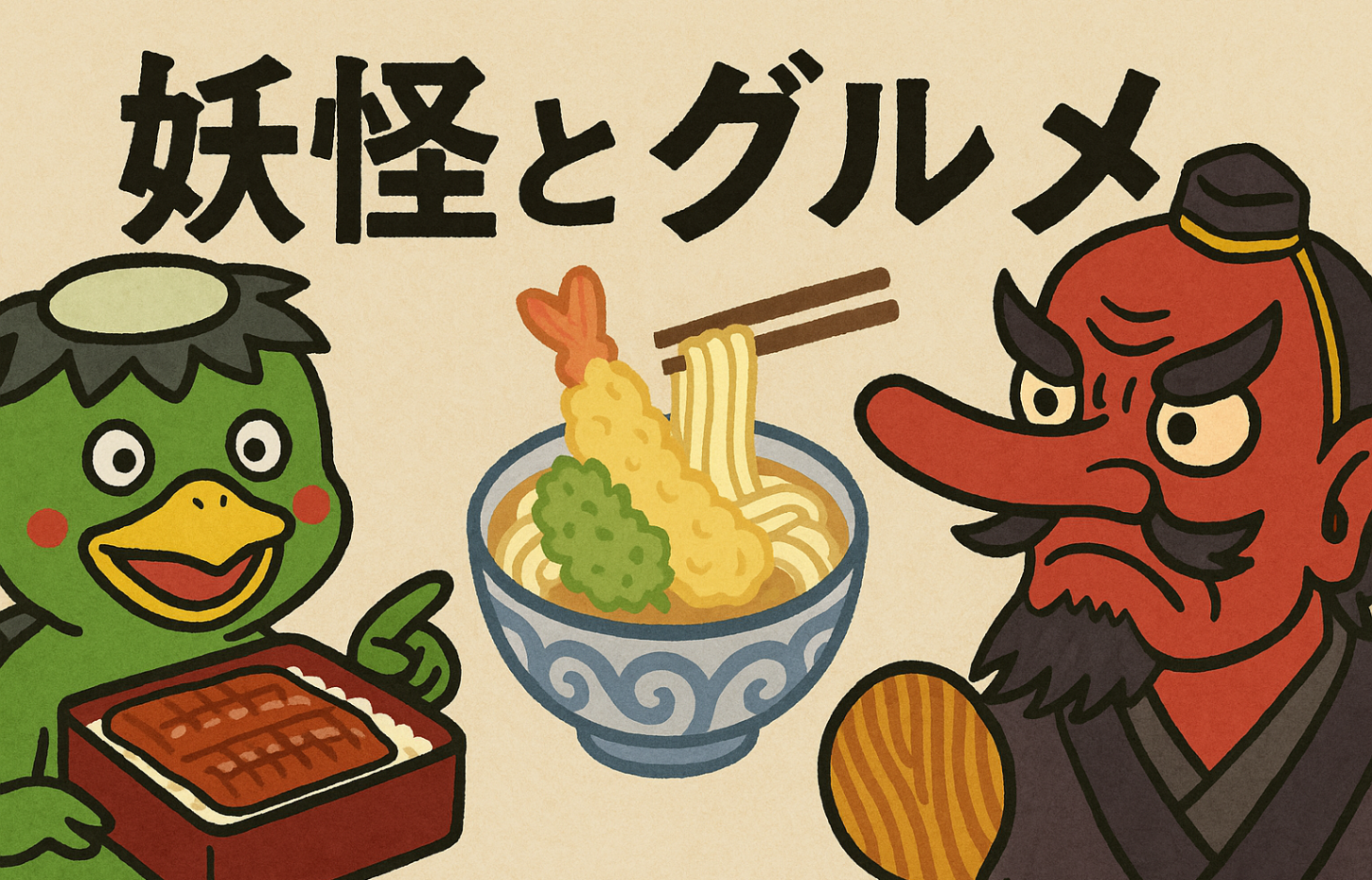
Walking through Kawagoe with the Yokai - from Koshin towers to Tengu legends, spiriting away, and exquisite longevity gourmet food!

Sake-drinking monsters, Japan being consumed by them -- the connection between sake and monsters, and the current rice shortage
Yokai-ya goes to Kawagoe. ~The "bonds with the local community" revealed through visiting the area~




No comments yet.